


What makes a great video bingo game? FBM® breaks down the key elements
Video bingo has quietly become one of the most engaging formats on the casino floor, and the reasons go far beyond nostalgia. What started as a digital adaptation of a classic game has evolved into a fast-paced, feature-rich experience that combines the familiarity of bingo with the depth and dynamism of modern casino entertainment.
Today, players recognise the format and return to it, session after session. But what drives so much loyalty?
What is video bingo?
Video bingo is a digital casino game played on terminals or mobile apps. Unlike the traditional format, players buy one or more number cards, the game draws and marks numbers automatically, and prizes are awarded when set patterns are completed on the grid.
Such as a landbased bingo hall, the game doesn’t wait for a caller. Instead of standard slot reels, it uses:
● Cards: the numbered grids players buy before each round.
● Automated draws: numbers are selected and marked by the system.
● Pattern wins: payouts come from lines, corners, X patterns or a full card.
● Auto-daub: optional tool that marks called numbers automatically.
● Paytable: the guide that shows which patterns pay and what each prize is worth.
● Stake structure: the cost per card or round, so players can see the bet before play begins.
The elements are arranged depending on the game format. Some versions stay close to classic bingo, while others add faster rounds, bonus features or slot-style mechanics.
What are the types of video bingo?
The main formats are multi-card, jackpot, bonus round and extra ball games. Each game mode keeps the same core logic of buying cards and completing patterns, but changes the pace, number of cards, prize structure or extra features available during play.
There are also adjustments in the core mechanics to target different playing styles and risk levels. For example:
● Classic video bingo: the closest format to traditional bingo. Players buy cards, the system draws the numbers, and wins come from completing set patterns. The most common versions use 90 or 60 balls.
● Multi-card bingo: offers more action in each round. It allows several cards to run at the same time, creating more grids to follow and more possible pattern combinations.
● Jackpot video bingo: adds a bigger prize target to the standard game. The jackpot can have fixed or progressive bonuses, and usually depends on completing a specific pattern within a limited number of calls.
● Bonus round bingo: brings slot-style features into the bingo format. Certain patterns can trigger mini games, or other bonus mechanics that add more layers to the round.
● Extra ball bingo: gives players a final shot after the main draw. They can buy extra balls to keep chasing an incomplete pattern before the round closes.
The type of video bingo changes how fast the game feels, how many cards are in play and what kind of prize mechanics are available. To understand the format better, it helps to compare it directly with the traditional format.
Video bingo vs traditional bingo: what’s the difference?
Video bingo is faster, automated and played on a terminal, while traditional format is slower, social and usually led by a caller. Both use numbered cards, drawn balls and winning patterns, but the video format handles the draw, marking and payout calculation automatically.
The core idea is still to match numbers, complete patterns, and win prizes. The difference is in how the experience feels when players play video bingo instead of joining a physical or live bingo session:
● Game pace: traditional bingo follows the rhythm of a caller and other players. Video bingo moves faster because the system draws and checks numbers instantly.
● Card marking: in traditional bingo, players usually mark the card by hand. In video bingo games, the system can mark numbers automatically through auto-daub.
● Number of cards: traditional bingo often depends on how many paper cards a player can manage. Video format can support multiple cards at once, sometimes from one to dozens per round.
● Player interaction: traditional bingo is built around a shared room, crowd energy and social play. Video bingo is more individual, focused on speed, visuals and quick feedback.
● Prize structure: traditional bingo usually pays for simple patterns such as lines or full cards. Video bingo can add fixed or progressive jackpots, extra balls, and bonus rounds.
Visual and sound feedback: traditional bingo relies on the caller and the room atmosphere. Video bingo uses animations, sound effects and on-screen cues to highlight draws, patterns and wins.
In short, video bingo turns the same number-matching logic into a faster digital format. Next, it is worth looking at how a round actually works from card purchase to payout.
How does video bingo work?
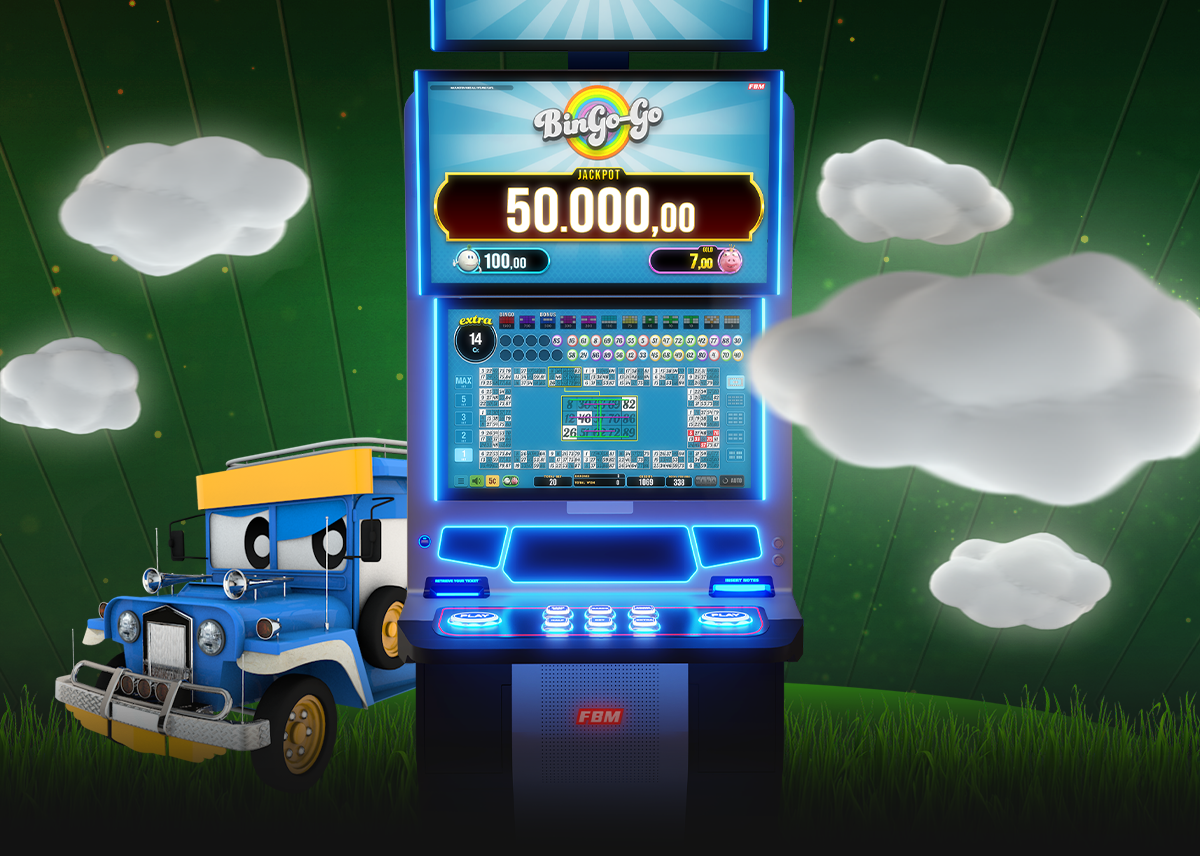
It works by letting players choose a stake and number of cards, then running an automated ball draw. The system marks matching numbers, checks active patterns against the paytable, and credits any wins. Extra balls, jackpots or bonus rounds may appear depending on the game.
Once the round starts, the player’s role is to set the play, follow the draw and see whether the cards land on a paying pattern.
Games such as Bingo Go™ show how this base flow can expand with multiple cards, extra balls, progressive prizes and bonus modes.
What’s the objective of the video bingo?
The aim is to complete winning patterns on one or more cards before the draw ends. Instead of chasing reels, players match drawn numbers to card grids, aiming for lines, full-card results, jackpots or bonus-triggering patterns defined in the paytable.
That pattern logic is what keeps the game close to bingo, even when the screen feels faster, louder and more visual. The more advanced titles then build around that core with features that add choice, anticipation and extra reward paths.
Main features of the video bingo
The main elements are the tools that shape each round: card selection, bet levels, automatic draws, paytables, extra balls, jackpots and bonus modes. Together, they keep the bingo logic clear while adding speed, choice and stronger visual feedback from start to finish.
- Card selection: players choose how many cards to play before the round begins. In FBM’s titles, players can play up to 30 e-bingo cards in one round, while Bingo Go™, among many others, supports up to 20.
● Bet level:the stake is usually set per card, giving players control over the cost of the round. Higher bet levels can increase the value of winning prizes, depending on the game rules.
● Automatic ball draw:once play starts, the system draws the balls and checks the cards. In Bingo Go™, the base game draws 30 balls from a 90 or 60-number range for.
● Pattern-based prizes:wins come from completing specific shapes on the card. The paytable shows which patterns are active, how much they pay and whether prizes can be accumulated.
● Extra balls:after the main draw, games let players buy extra balls when they are close to a prize, what could add a second-chance feel.
● Magic ball (or joker and wild ball): some titles may trigger a special ball that lets the player select a number from the card, or lets the system choose the number with the highest possible win.
● Progressive and global jackpots:video bingo can include jackpot layers beyond standard pattern prizes.Flash Linkand Bingo Go™ include progressive prize mechanics, and may also connect to wider jackpot features such as Megapot when available.
● Bonus modes:some games add slot-style moments without losing the bingo base.Bingo Go™ uses a multi-level pick bonus with a race sequence.
● Mystery bonuses:collective features such as Mister Champion and Pig Boom!™ can appear in supported FBM games, adding shared bonus moments across eligible machines.
The next step is understanding why those mechanics create the rhythm, suspense and replay value that keep players coming back to video bingo games.
What makes players keep coming back to video bingo games?
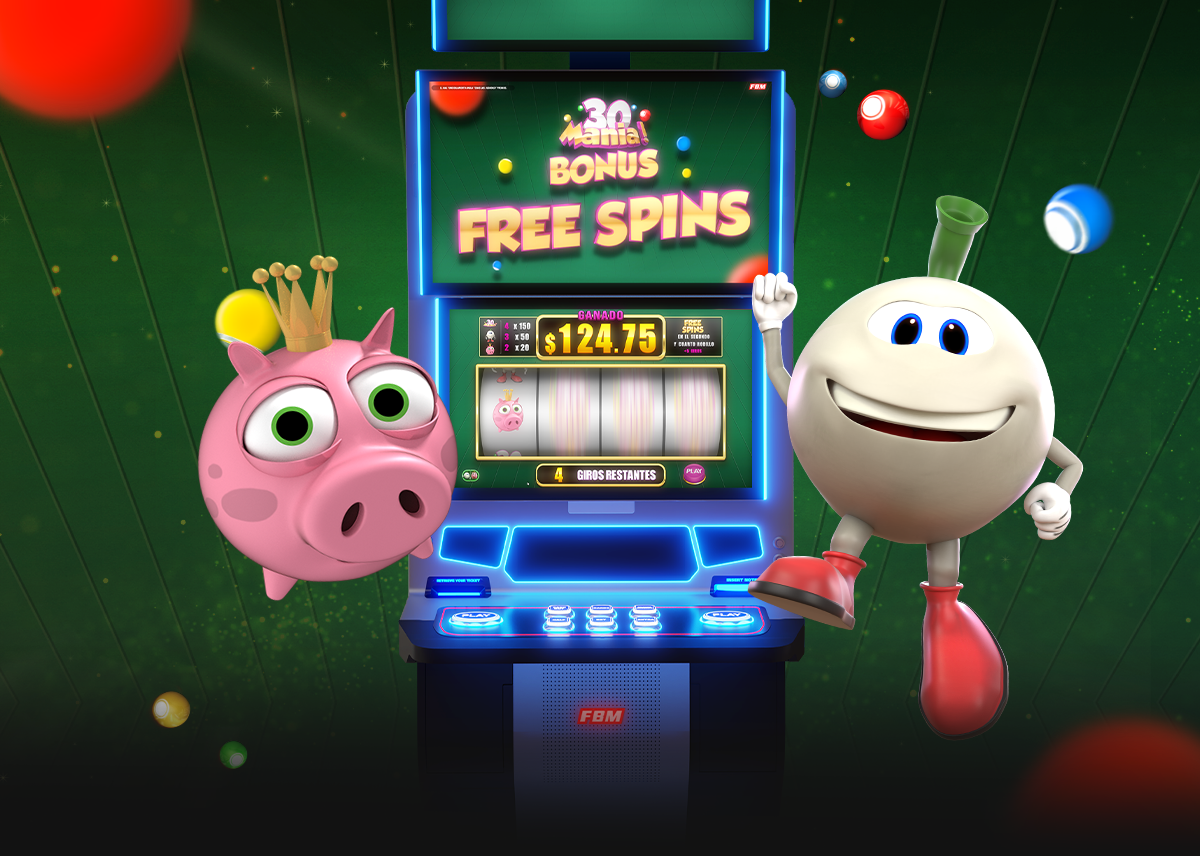
Video bingo games keep players engaged by taking the familiar logic of bingo and giving it more speed, control and energy. Quick rounds, multi-card play, bonus anticipation and clear visual feedback make each session feel active, readable and rewarding from the first draw to the final result.In the Flash Link bingo, this retention logic becomes even clearer.
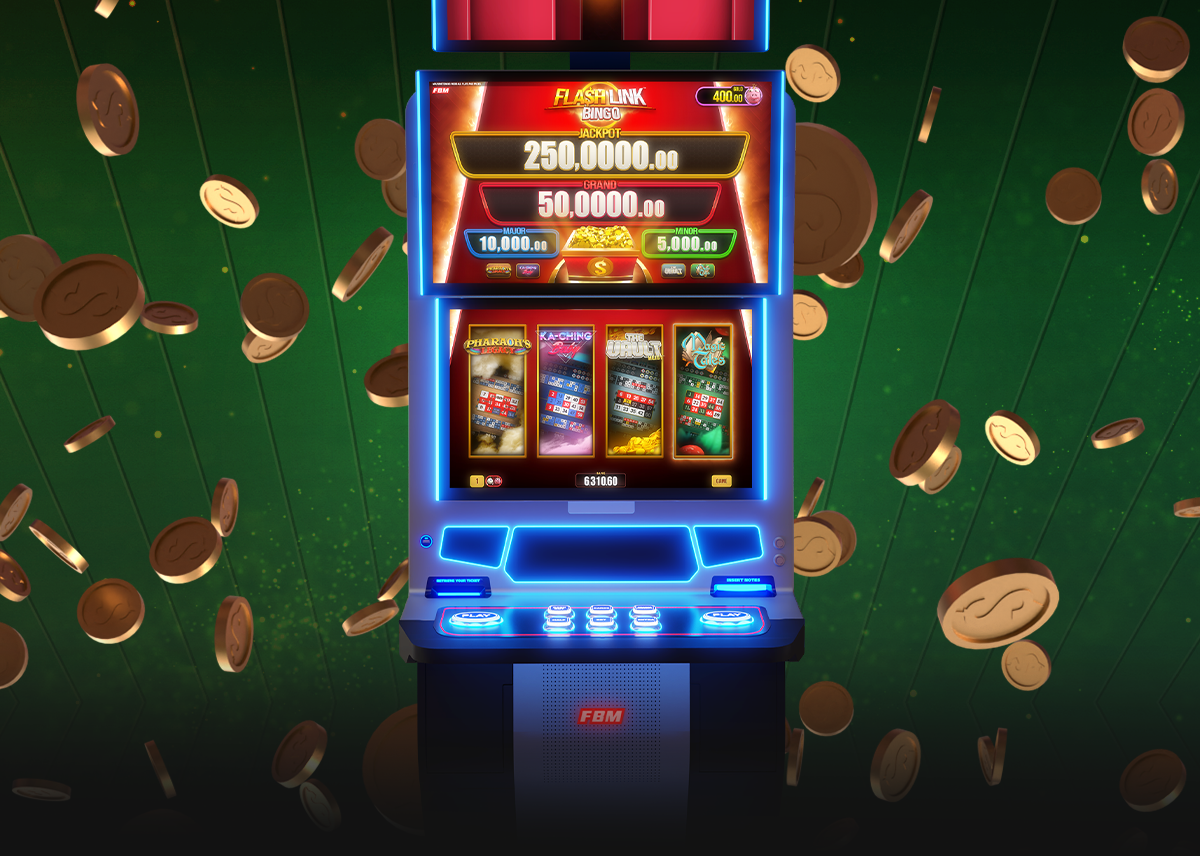
The multigame format brings together four titles - Ka-Ching Baby, Magic Tales, Pharaho’s Legacy and The Vault Heist in the same bundle, giving players different themes while keeping the same core experience.
Fast gameplay keeps sessions dynamic
One of the strongest reasons players return to video bingo. Instead of waiting for a caller or a shared room pace, the system draws the balls, checks the cards and moves the round forward quickly. In Flash Link titles, the base game uses 30 balls drawn from a 60 to 90-number range, creating a compact rhythm that keeps the action moving without losing the bingo logic.
Multi-card play adds control and excitement
Multi-card play gives players more ways to engage with each round. In games like Ka-Ching Baby, Magic Tales, Pharaho’s Legacy and The Vault Heist, players can choose from 1 to 20 e-bingo cards, which makes the session feel more active and strategic.
Bonus features create anticipation beyond the base game
Give video bingo an extra layer of suspense after the main draw. Flash Link adds a multi-progressive structure with Grand Jackpots, plus a Bonus Link mode triggered through the pagoda feature. Once inside the bonus, players get free spin, collect link balls and can enter tension mode when the Grand Jackpot gets closer.
Clear layout helps players stay focused on the game
Video bingo moves fast, and players need to understand what is happening at a glance. Flash Link games support this with visible jackpot values, card grids, prize information, bet controls, bonus indicators, on and off-screen feedback during key moments.
Why does video bingo matter for casino operators?
The format brings more variety to the gaming floor without losing a game logic players already know. It attracts different player profiles, supports longer sessions and creates stronger engagement through fast rounds, multi-card play, jackpots, special balls and bonus modes.
For operators, the value is in offering a version that feels familiar at first touch, but has enough depth to keep the experience moving. It elevates the casino experiencewhen the game portfolio, cabinet strategy, features and player journey are designed as part of the same environment.
Better engagement across different player profiles
Video bingo is simple enough for bingo fans and, at the same time, dynamic for the ones that enjoy faster casino games. For operators, that means a broader floor appeal without fragmenting the player journey.
Stronger retention through familiar yet dynamic gameplay
This type of game supports retention by keeping players anchored in completing patterns and winning prizes. What changes is the rhythm around that goal. Automated draws, multiple cards, special balls and bonus triggers create a more active session, while features such as Magic Ball, Extra Ball and Free Ball add surprise, suspense and new moments.
More time on device through faster and feature-rich sessions
Video bingo can increase time on device because the rounds move quickly, but still give players reasons to continue after the base draw. Extra Balls, bonus entries, progressive jackpots and especific features add excitement at the right moments. That pacing keeps the session active without making the game harder to understand.
Product variety without losing the bingo identity
The format gives operators product variety while keeping the core logic of players buying cards, numbers drawn, and patterns pay. Each product line introduces different themes, cabinet formats, jackpot structures, bonus modes and visual styles without asking players to relearn the game from zero.
Elevate your casino floor with a video bingo that delivers
FBM's video bingo portfolio is built with products that are instantly accessible, consistently engaging and designed to grow with the player journey.
Want to explore how our solutions can elevate your gaming floor? Get in touch with our team and discover the right fit for your operation.
You might also like
Related articles




Return to
News
We are proud to be Always Champions.
Copyright 2012 - 2026 FBM®. All rights reserved.